Keeping Your Warehouse Dry With A Warehouse Dehumidifier
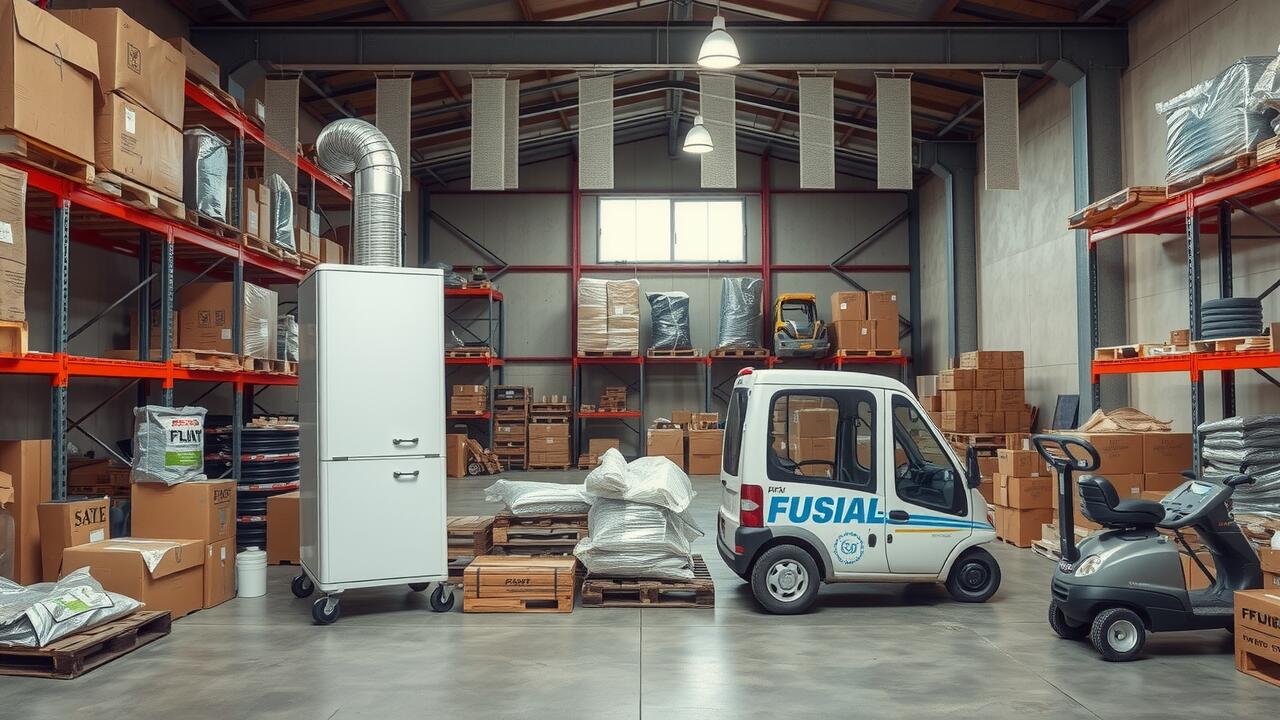
Signs Your Warehouse Needs a Dehumidifier
If you’ve noticed that the air feels sticky or damp while you’re walking around your warehouse, it might be time to pay attention. High humidity can lead to a whole lot of problems, like mold growth and damage to stored goods. Check for any rust on metal items or condensation on windows and walls. These little indicators can signal that moisture levels are creeping up, making your space less than ideal for storage.
That musty smell that seems to linger? It’s usually a telltale sign that too much humidity is at play. You might also find that wooden pallets warp or that inventory shows signs of mold or mildew. Keeping an eye out for these signs helps protect your investment and ensure that everything inside your warehouse remains in good shape.
Identifying Excess Moisture and the Damage It Causes
If you've noticed a musty smell hanging around your warehouse, that's often one of the first signs that moisture is creeping in. Look out for condensation on surfaces like walls, windows, or even equipment. You might also spot mildew or mold growth, which aren't just unsightly; they can actually damage products and impact employee health. Puddles forming in corners or damp patches can indicate serious moisture levels, too. Keeping an eye out for these signs can save you a ton of hassle later on.
Excess moisture doesn’t just affect the air quality; it can wreak havoc on your inventory. Wooden pallets might warp, metal items could rust, and electronics might corrode. If you're storing food or other perishables, increased humidity can lead to spoilage faster than you can imagine. Preventing these issues is crucial for maintaining the integrity of your operations and keeping your products in top shape. Identifying and addressing the issue early can lead to a smoother running warehouse overall.
Comparing Different Types of Dehumidifiers
When you start exploring your options for dehumidifiers, you'll notice that there are a bunch of different types out there. You’ve got your refrigerant models, which are great for warmer spaces. They work like an air conditioner, pulling moisture from the air and collecting it in a tank. Then there are desiccant dehumidifiers, which use a moisture-absorbing material and are better suited for colder environments. Each type has its perks depending on your warehouse's unique conditions.
Another important aspect to consider is the size and capacity of the dehumidifier. Smaller units might be sufficient for compact spaces, but larger warehouses often need more heavy-duty solutions. Look for models with higher extraction rates if you're dealing with significant moisture. It's also smart to check the maintenance needs and energy efficiency ratings, as these can affect your overall costs in the long run. Choosing the right dehumidifier can make all the difference in keeping your warehouse dry and protecting your inventory.
Which Model Suits Your Warehouse Best?
Choosing the right dehumidifier for your warehouse can feel like a daunting task. It all starts with understanding your space. Take into account the size of your warehouse, the average humidity levels and your specific needs. For larger spaces, heavy-duty models with high capacity are essential. Smaller warehouses might only require something more compact.
Another factor to consider is the intended use of the space. If you're storing sensitive materials like electronics or pharmaceuticals, you’ll want a model that provides precise moisture control. For more general storage, standard models may do the trick. Don’t forget about features like auto-restart and built-in humidistats, which can greatly enhance convenience and efficiency. A little research goes a long way in finding the perfect fit for your setting.
- Assess the size of your warehouse for capacity needs.
- Check the average humidity levels in your area.
- Identify the types of materials you'll be storing.
- Look for models with reliable moisture control for sensitive items.
- Consider energy efficiency ratings to save on utility costs.
- Explore additional features like programmable timers and remote controls.
- Read reviews and consult experts to make an informed decision.
Energy Efficiency and Cost Savings
Investing in a warehouse dehumidifier can seem like a big expense, but it often pays off in the long run. When you lower humidity levels, you not only protect your goods and equipment but also create a more energy-efficient environment. A drier space requires less energy for heating and cooling, which can lead to noticeable reductions in monthly utility bills.
Many modern dehumidifiers come with energy-saving features that help further decrease costs. With programmable settings and smart technology, these units adjust their operation based on humidity levels, running only when necessary. This level of efficiency means less energy wasted and more savings in your pocket, allowing you to focus on other important aspects of running your business.
How Dehumidifiers Can Lower Utility Bills
Investing in a dehumidifier can make a noticeable difference in your utility bills. When excess moisture lingers in your warehouse, it drives up the need for heating or cooling systems to work overtime. With a dehumidifier in place, you can maintain a comfortable environment without cranking up the thermostat or air conditioning. This leads to less energy consumption overall and a happier bottom line at the end of the month.
In addition to reducing energy usage, a dehumidifier helps protect your inventory from damage caused by humidity. Spoiled goods and moldy boxes can lead to costly losses that impact your finances. Maintaining a consistent humidity level not only means less strain on your climate control systems but also safeguards your products, which ultimately saves you money in the long run.
The Role of Ventilation in Humidity Control
Good ventilation is super important when it comes to controlling humidity levels in your warehouse. Proper airflow can help prevent moisture from getting trapped inside. Think about it; stale air can lead to condensation, which is a breeding ground for mold and mildew. By allowing fresh air to circulate, you're not just improving the overall atmosphere. You're also minimizing the risk of dampness that can harm your inventory and equipment.
On top of that, effective ventilation can work hand in hand with dehumidifiers. While dehumidifiers actively remove moisture from the air, good airflow ensures that the dry air reaches every corner of the warehouse. This combination creates a balanced environment, keeping things dry and reducing the likelihood of any moisture-related issues popping up. Regular maintenance of vents and fans is key to producing a well-ventilated space that’s less prone to humidity woes.
FAQS
Why is it important to keep my warehouse dry?
Keeping your warehouse dry helps prevent moisture-related issues like mold, mildew, and product damage. A dry environment also improves air quality and creates a safer workspace.
How can I tell if my warehouse needs a dehumidifier?
Look for signs like condensation on surfaces, a musty smell, or damp spots on walls and floors. If you notice any of these, it’s a good indication that excess moisture is present.
What types of dehumidifiers are available for warehouses?
There are several types of dehumidifiers, including refrigerant dehumidifiers, desiccant dehumidifiers, and industrial-grade units. Each type has its own advantages depending on your warehouse size and humidity levels.
How do I choose the right dehumidifier for my warehouse?
Consider factors like the size of your space, the humidity levels, and the specific needs of the items stored. Consulting with a specialist can also help you make the best choice.
Can using a dehumidifier really save me money on utility bills?
Yes! A dehumidifier can reduce the workload on your HVAC system, leading to lower energy consumption and savings on utility bills over time.